9 hr
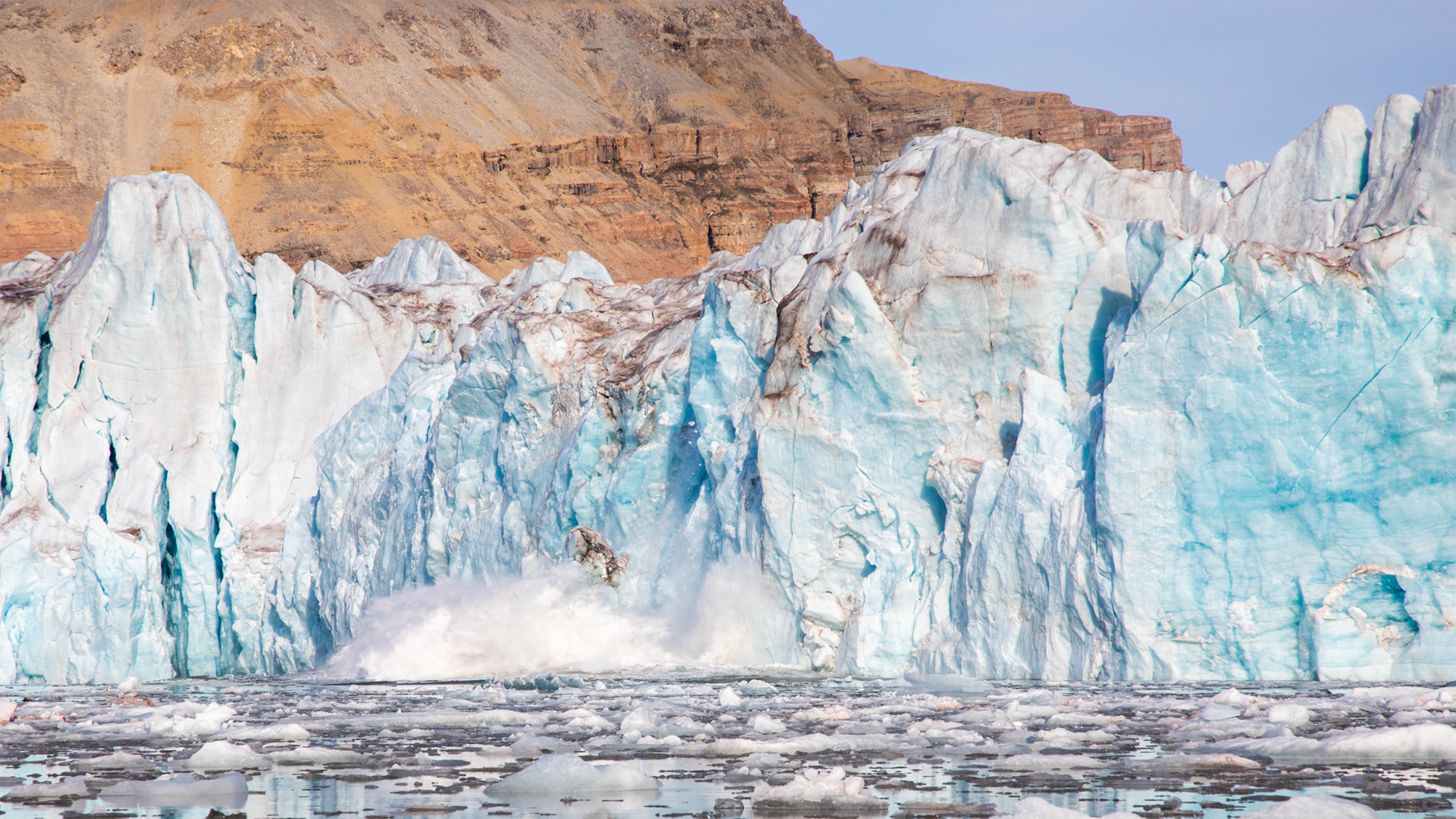
Barentsburg & Esmark Glacier RIB Boat Expedition
- Expert local guide
- Small group
- Skip-the-line access
- Free cancellation
Barentsburg Tour — Guided Access to Svalbard's Russian Coal Town
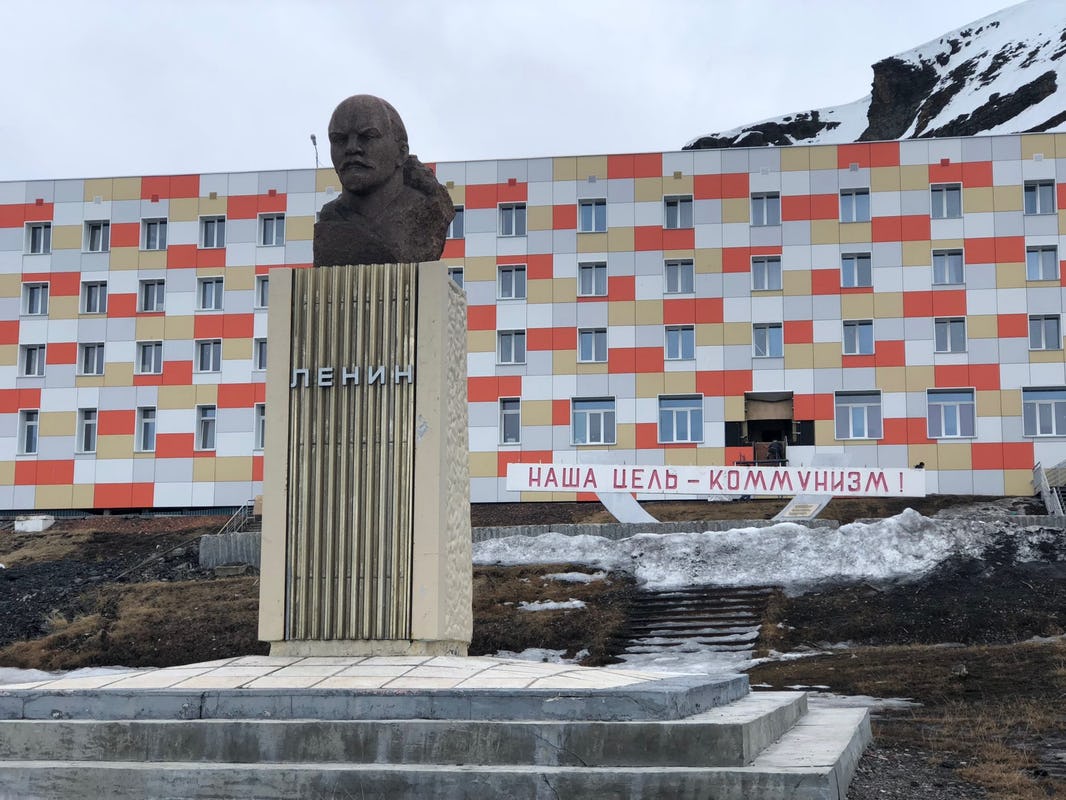
Coal dust on the fjord wind, Lenin facing the ice.
Compare fares, pick the fit — all bookings are mobile-voucher and eligible for free cancellation where shown.
9 hr
6 hr
9 hr
| Experience | Duration | Rating | Pickup | Skip-the-line | Guide | Small group | Price | |
|---|---|---|---|---|---|---|---|---|
|
Guided Experience
Most popular
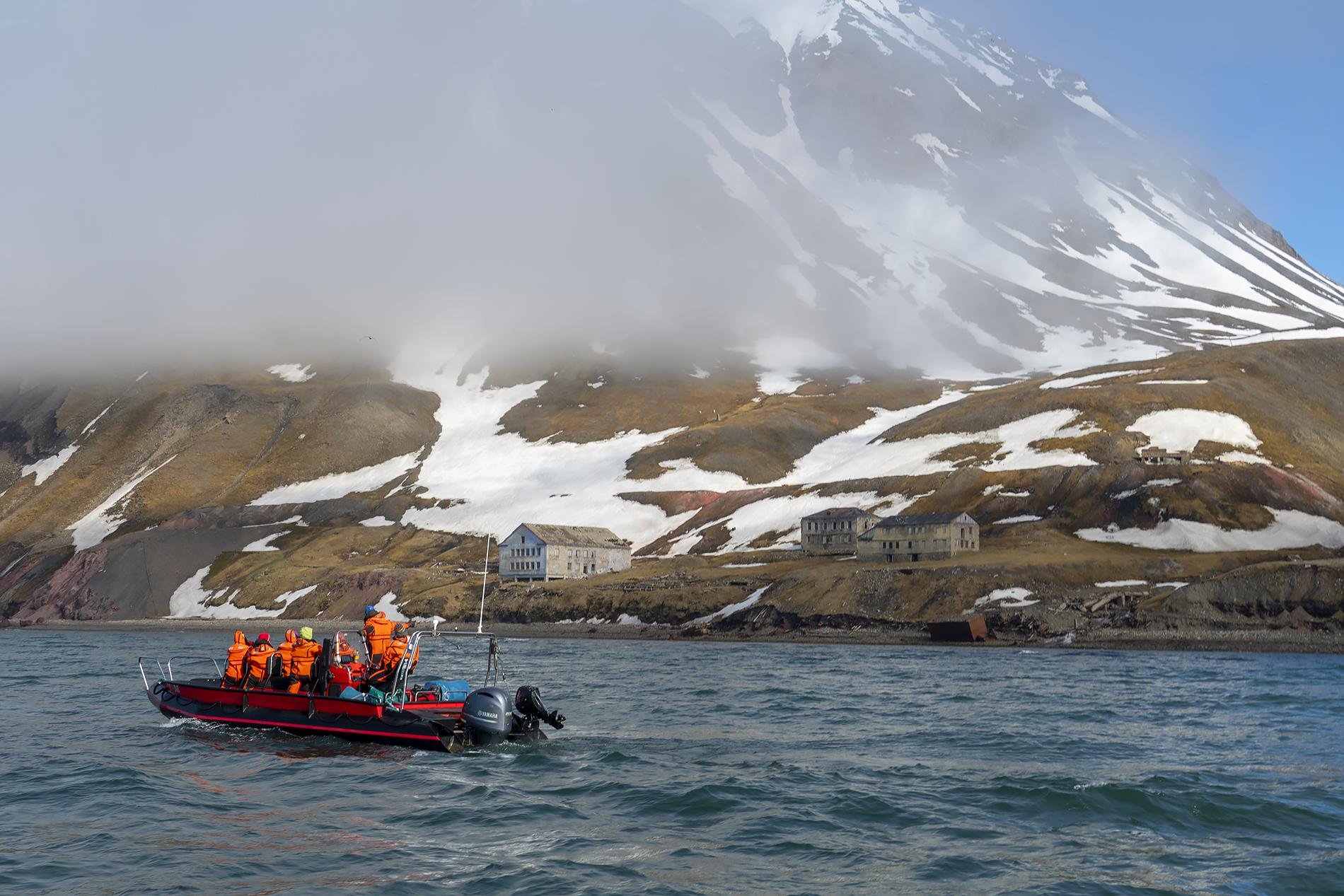
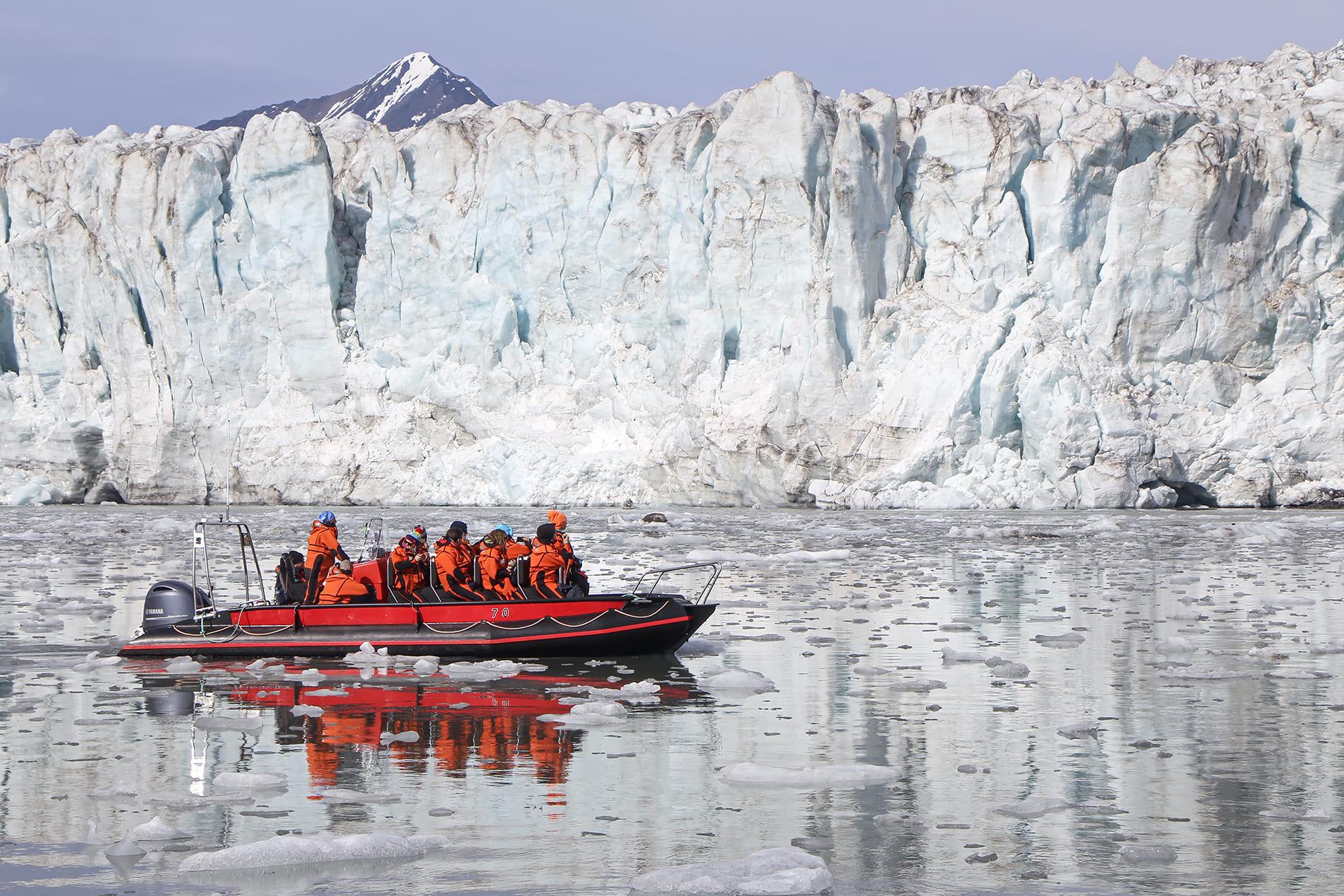
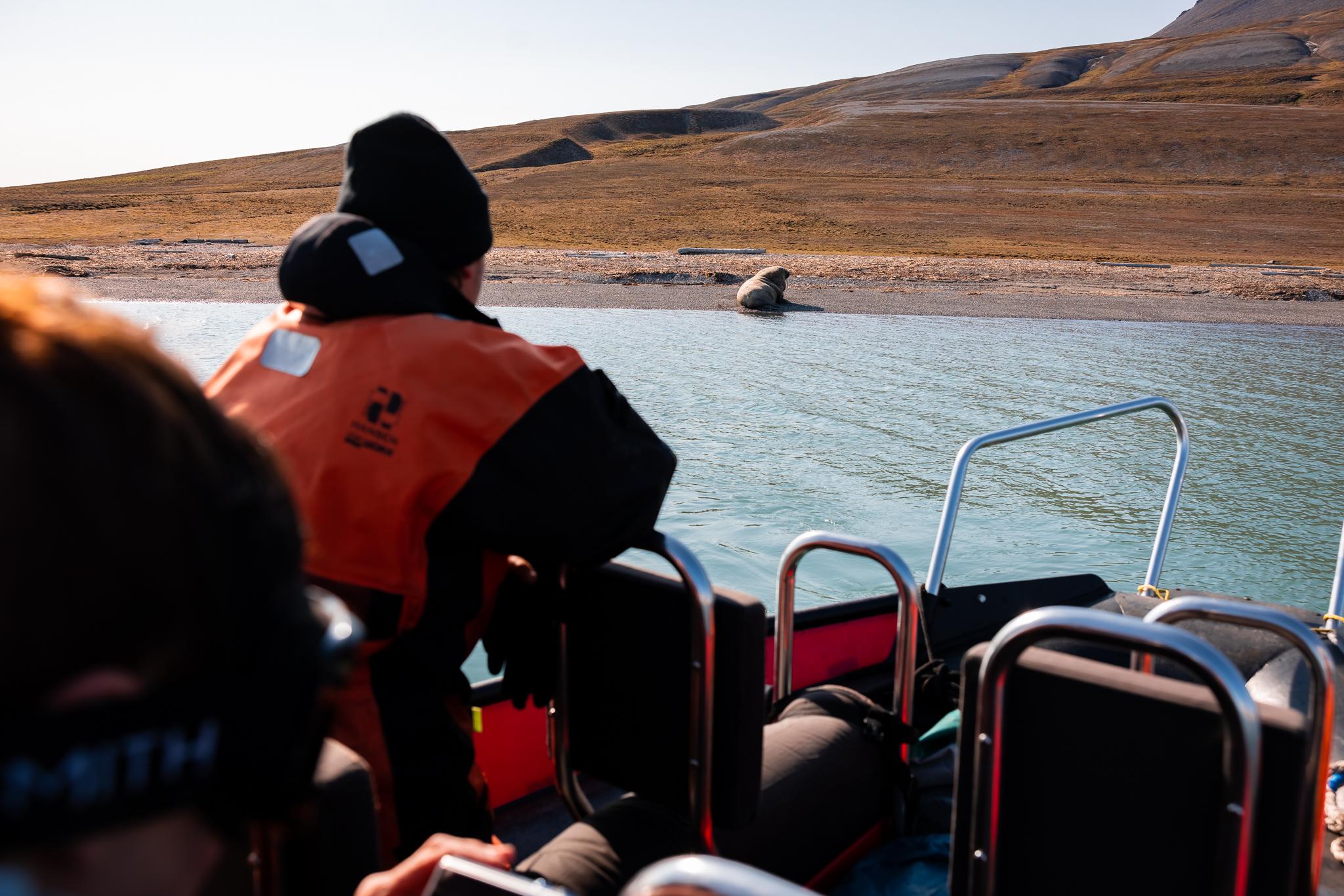
Barentsburg & Esmark Glacier RIB Boat Expedition
|
9 hr | ★ 4.7 | ✓ | ✓ | ✓ | ✓ | $466 | Book → |
|
Guided Experience
Barentsburg Photography Expedition by Ship
|
6 hr | ★ 4.5 | ✓ | ✓ | ✓ | ✓ | $1221 | Book → |
|
Guided Experience
Pyramiden Ghost Town & Nordenskiöld Glacier RIB Adventure
|
9 hr | ★ 4.4 | ✓ | ✓ | ✓ | ✓ | $508 | Book → |
They complement each other, yet most visitors find the active coal-mining environment of Barentsburg provides a more lived-in, authentic Arctic industrial experience compared to the abandoned, eerie quiet of a Pyramiden tour.
|
Top pick Barentsburg |
Pyramiden | |
|---|---|---|
| Current Status | Active coal-mining town | Abandoned ghost town |
| Settlement Atmosphere | Lively, inhabited, industrial | Preserved, silent, Soviet time-capsule |
| Accessibility | 220 steps, boat access | Boat access, walking paths |
| Key Landmarks | Lenin statue, Pomor museum | Lenin statue, northernmost piano |
| Cultural Focus | Arctic community, contemporary life | Cold War history, heritage preservation |
| See tickets & prices |
Verdict: Choose Barentsburg if you want to observe modern Svalbard life, whereas booking barentsburg tour tickets is less relevant than choosing Pyramiden if your goal is exploring preserved Soviet ruins and barentsburg tour tours offer a deeper contrast to traditional landmarks like the Svalbard museum or Barentsburg tour tour sites.
Hand-picked experiences loved by thousands of travelers
3 hours
Free Cancellation
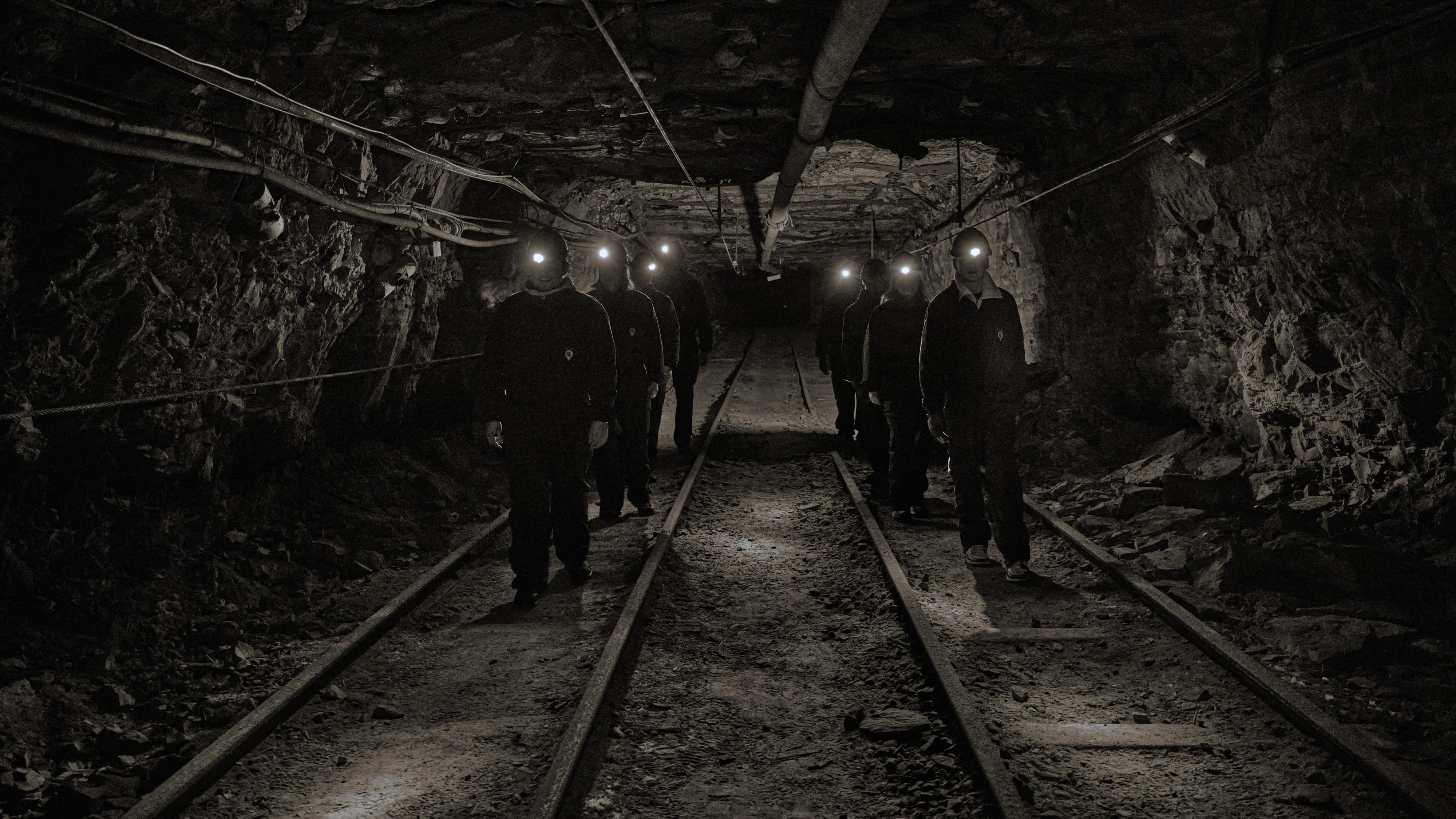
Journey deep into an abandoned Arctic coal mine and experience life as a miner in Svalbard's frozen past
6 hours
Free Cancellation
Journey through icy fjords in search of polar wildlife, hike pristine tundra, and witness towering glaciers
2 hours
Free Cancellation
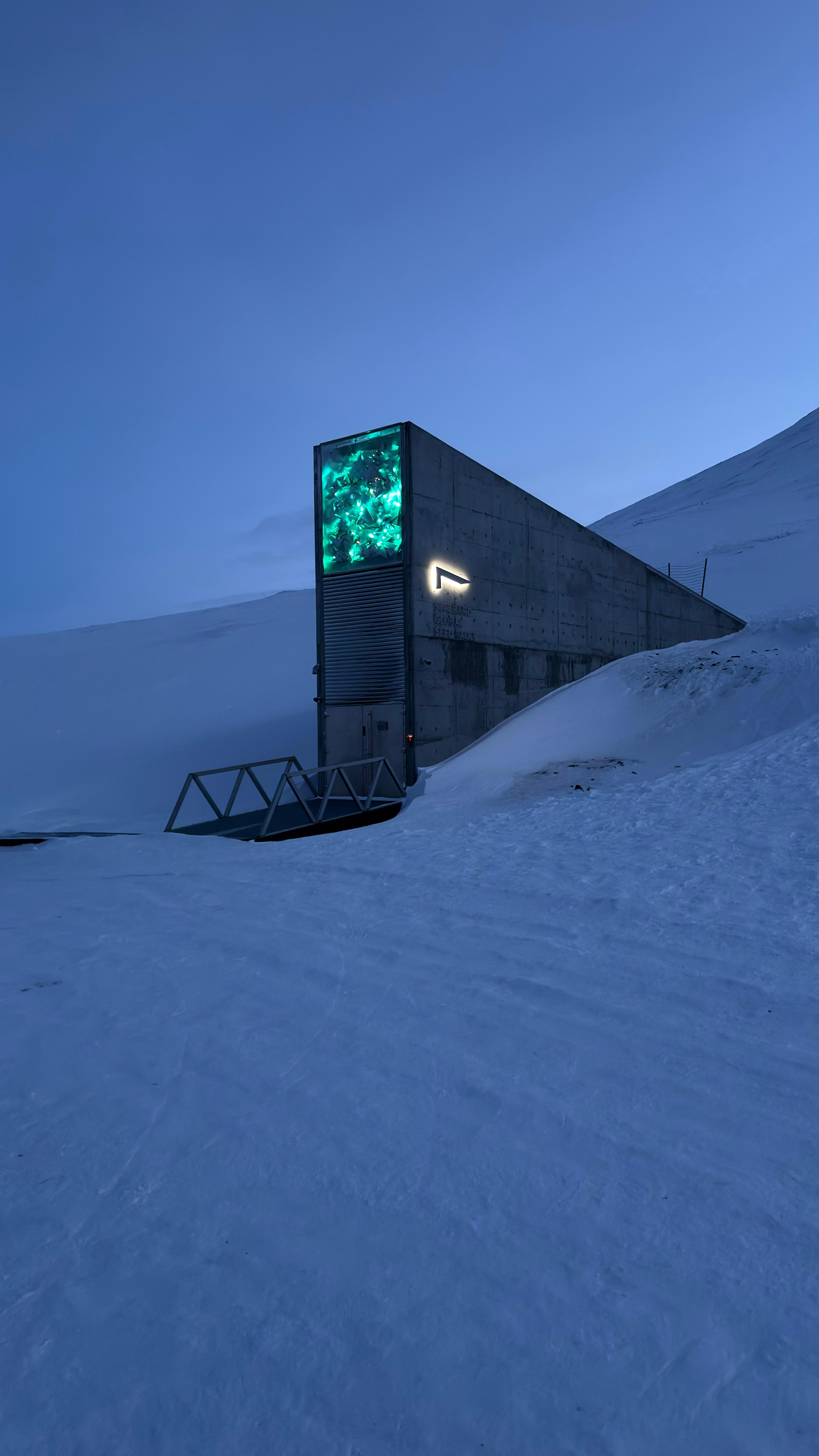
Two-hour Arctic journey exploring coal mining heritage, stunning valleys, and Earth's ultimate backup plan
3 hours
Free Cancellation
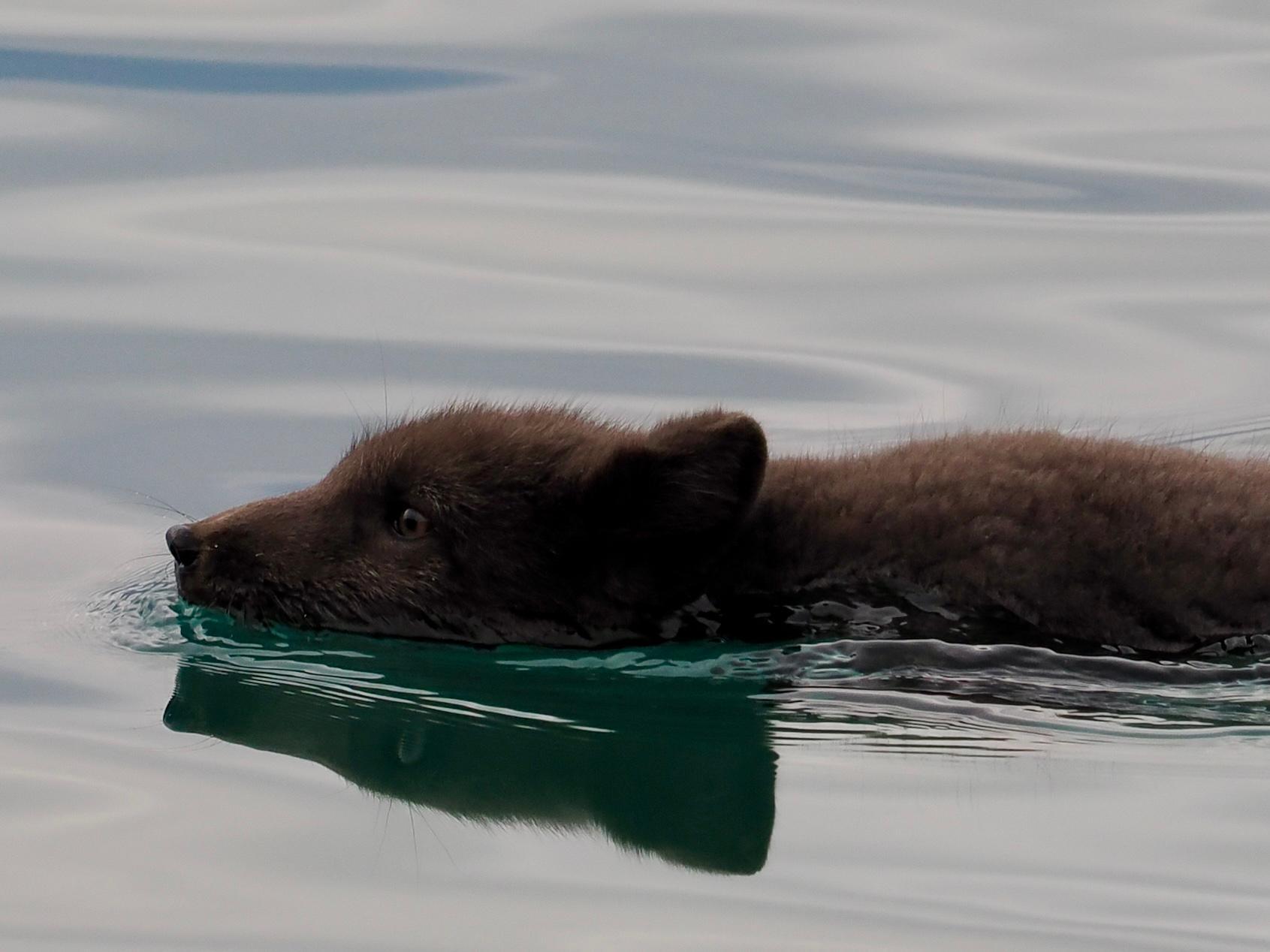
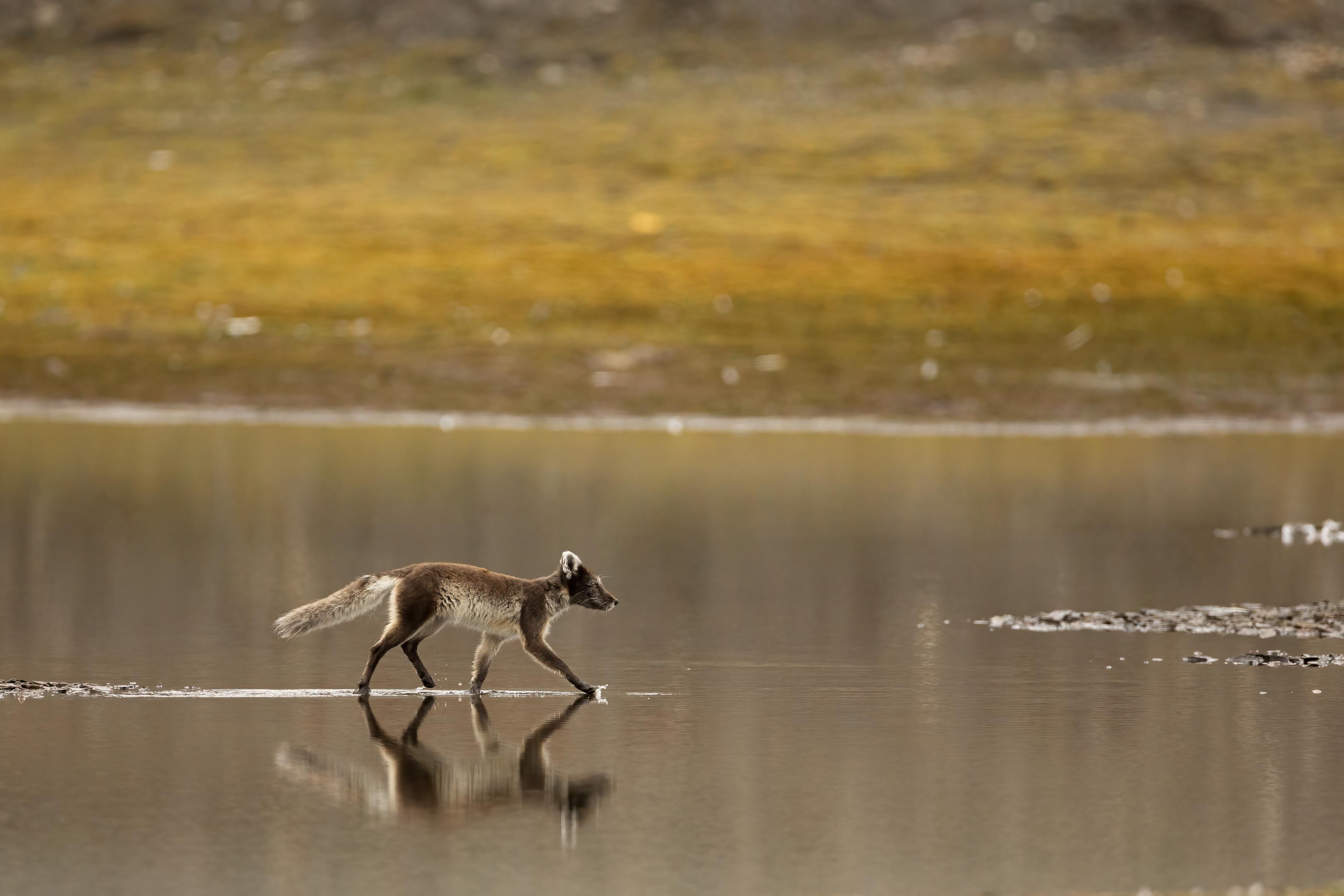
Search for reindeer, foxes, and seabirds across Svalbard's tundra valleys with photo stops and expert guidance
5 hours
Free Cancellation
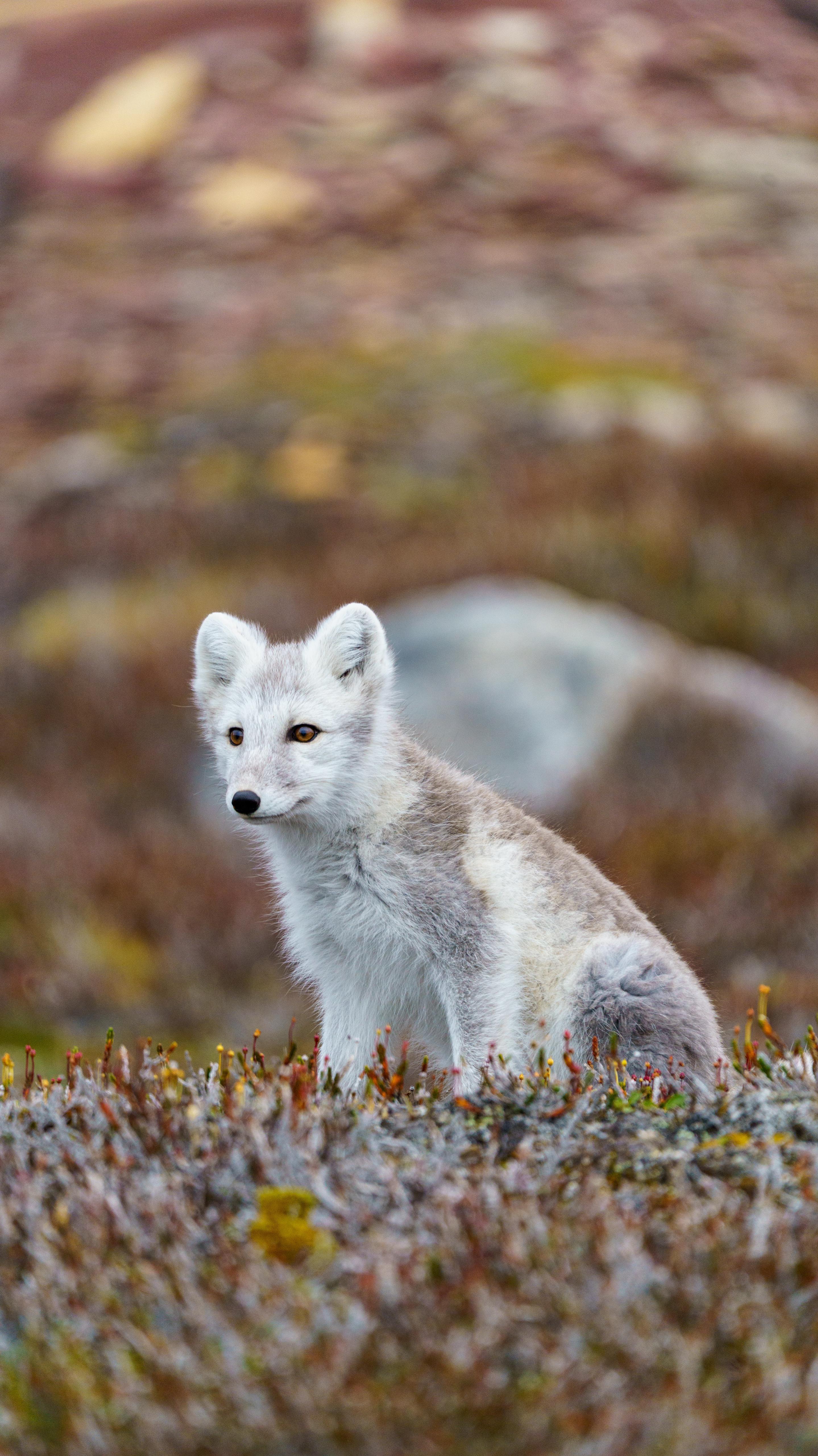
Photograph Arctic foxes, Svalbard reindeer and ptarmigans on this slow-paced wildlife adventure with expert guides
3.5 hours
Free Cancellation
Explore a tranquil Arctic valley on foot, watch for wildlife, and savor warm drinks in pristine tundra
2.5 hours
Free Cancellation
Experience the world's northernmost town through the eyes of residents on this intimate Arctic exploration
8 hours
Free Cancellation
Journey by exclusive boat charter into Svalbard's glacier-filled wilderness for wildlife encounters
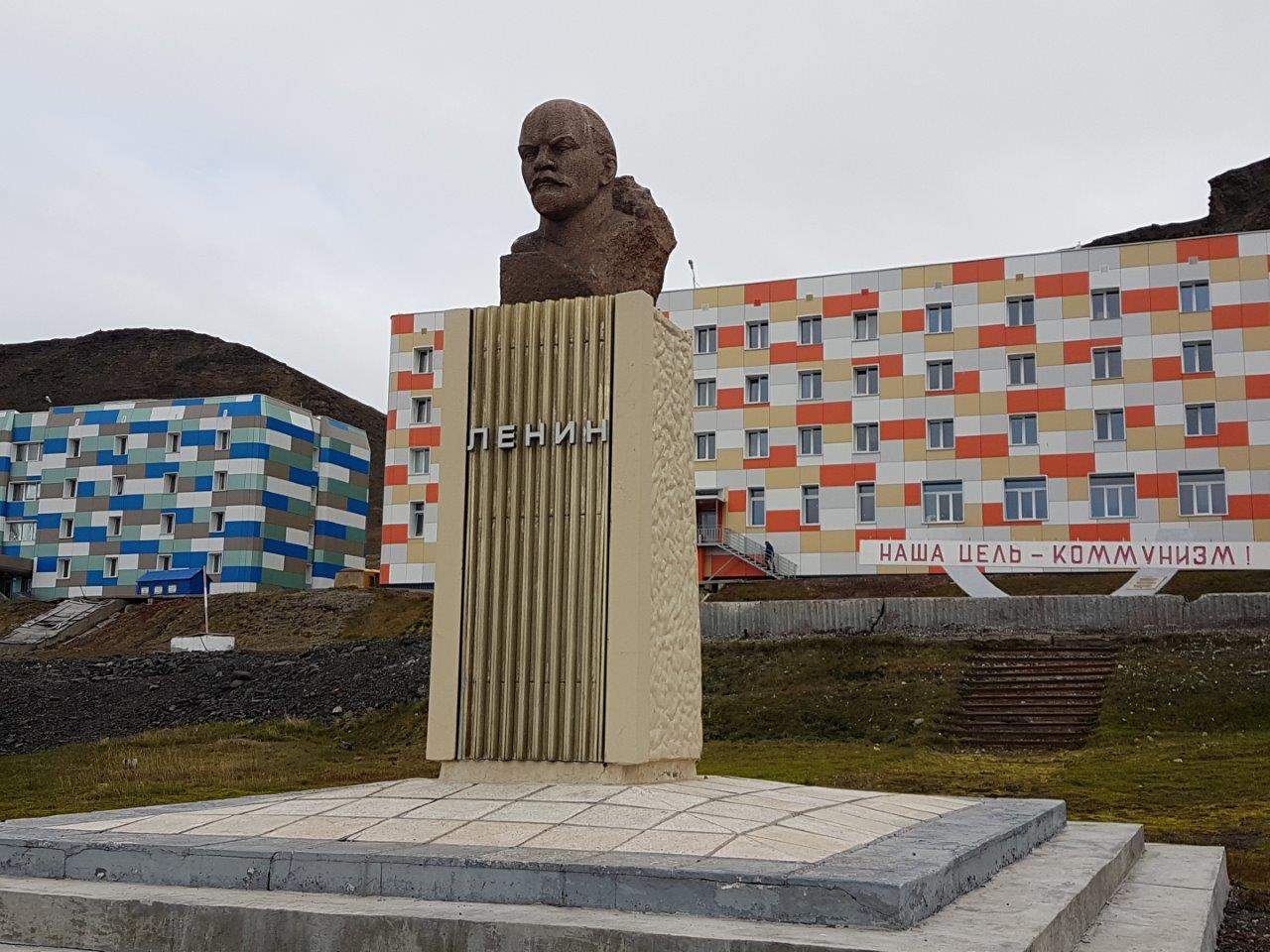
A prominent Soviet-era bust of Vladimir Lenin, which stands as the most famous landmark in the town square. It remains a focal point for visitors on any historical barentsburg tour.
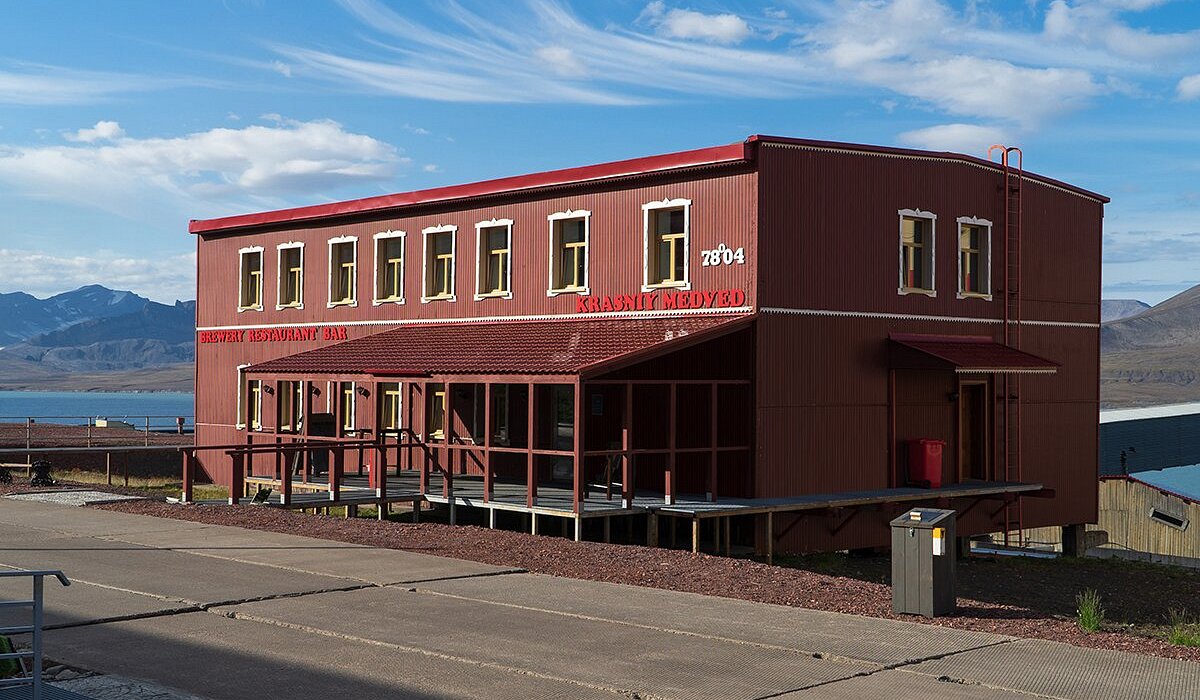
The world's northernmost brewery, offering local craft beer and a warm atmosphere after a cold day of exploring. It is a popular stop for those on an organized barentsburg tour.
A significant building representing the Russian diplomatic presence in Svalbard. It serves as a reminder of the unique status of the settlement.
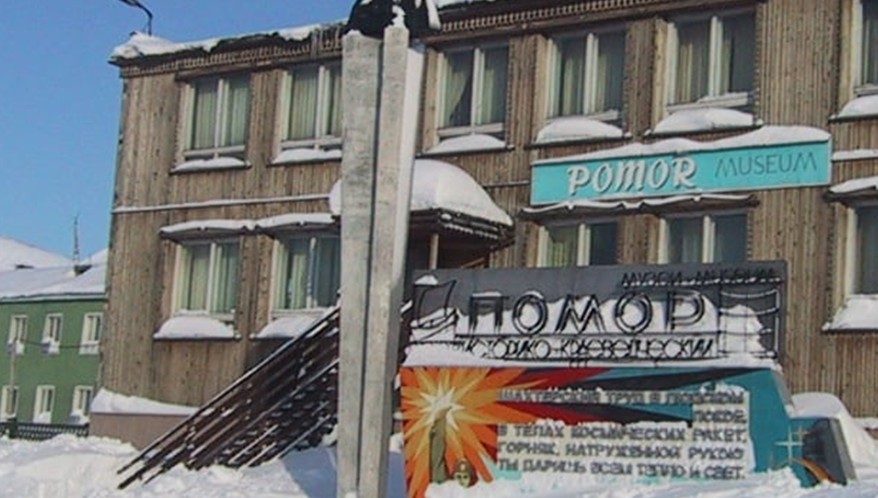
A small museum dedicated to the historical presence of Russian and Pomor settlers in the Arctic. It provides essential context for the Barentsburg tour experience.
A colorful, prominent building that contrasts with the industrial surroundings. It has served the community since the Soviet era.
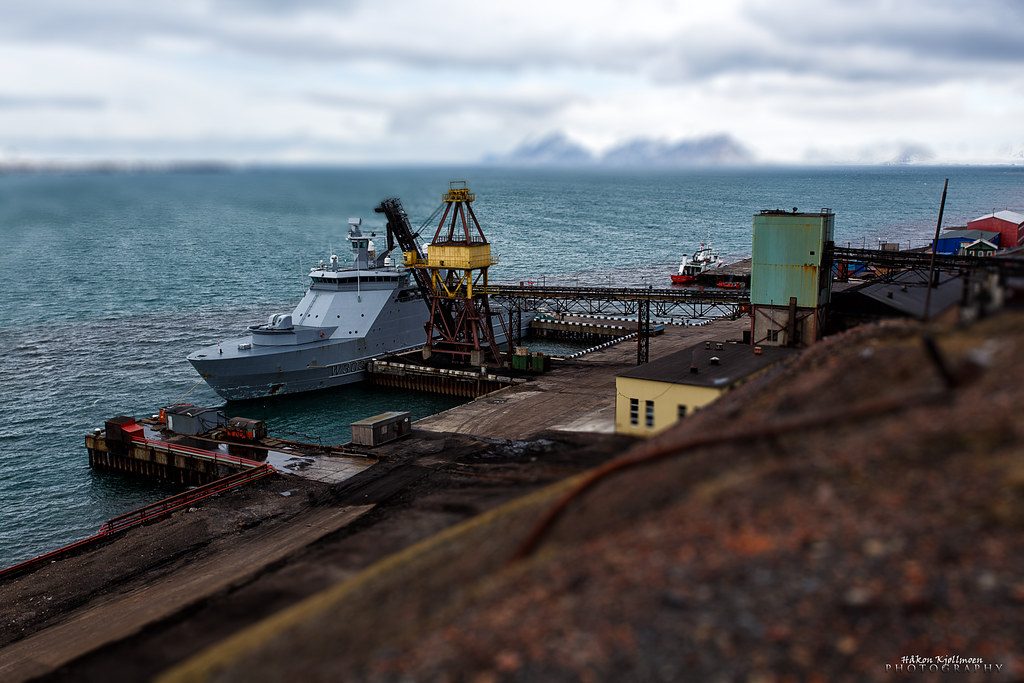
You come in from the water. Most summer arrivals reach the settlement on a Barentsburg boat tour out of Longyearbyen, and the vessel noses into Grønfjorden until the coal quay grows out of the grey. You step onto a pier stacked with containers and cable drums.
Then the staircase. Two hundred and twenty steps climb the slope from the harbour to the plateau, and you take them steadily, one hand on the rail, gulls arguing overhead. At the top the ground flattens into the main square. You stand below the Lenin bust, read the Cyrillic mosaic on the Kulturhuset behind it, and turn to find the fjord you just crossed laid out under the housing blocks.
From there you walk. You push open the door of the Pomor Museum and lean over cases of drill cores, sealskin and hand-forged mining lamps. You cross to the greenhouse, where tomatoes ripen under lamps at 78 degrees north. You put a palm on the cold steel of the pit-head gear and watch a shift bus idle at the gate. A Barentsburg tour guide points out the wooden chapel on the ridge and the consulate flag snapping in the wind.
You finish where the ground drops away. At the railing above the quay you count the ships, track the glacier front across the water, and go back down the 220 steps with your boots ringing on the treads.
All the details about your upcoming adventure in one place
A barentsburg tour brings you to the Arctic's westernmost Russian coal-mining settlement, reached by boat across Grønfjorden or by snowmobile in the frozen months. Guided walks pass the Lenin bust, the Pomor Museum, Soviet-era mosaics and the Trust Arktikugol mining infrastructure that still shapes daily life for roughly 350 residents. Most barentsburg tour tickets include the fjord crossing, a local guide and time in the settlement centre above the harbour.
Barentsburg keeps the world's northernmost bust of Lenin, and it faces a glacier rather than a parade ground. The settlement sits at 78°04′ north on the eastern shore of Grønfjorden, a side arm of Isfjorden, roughly 55 kilometres west of Longyearbyen, and no road reaches it.
Arrival is by water, snowmobile or helicopter. Entry to the settlement itself costs 0 NOK, and Barentsburg tour tickets apply only to individual activities and the museums.
A Dutch company laid out the town in 1920 and named it for the navigator Willem Barentsz. The Soviet trust Arktikugol bought the concession in 1932 and has worked the coal seam beneath the slope ever since, through German naval shelling in 1943 and a full post-war rebuild. The Svalbard Treaty, signed the same year the town was founded, is what permits a Russian company town on Norwegian ground.
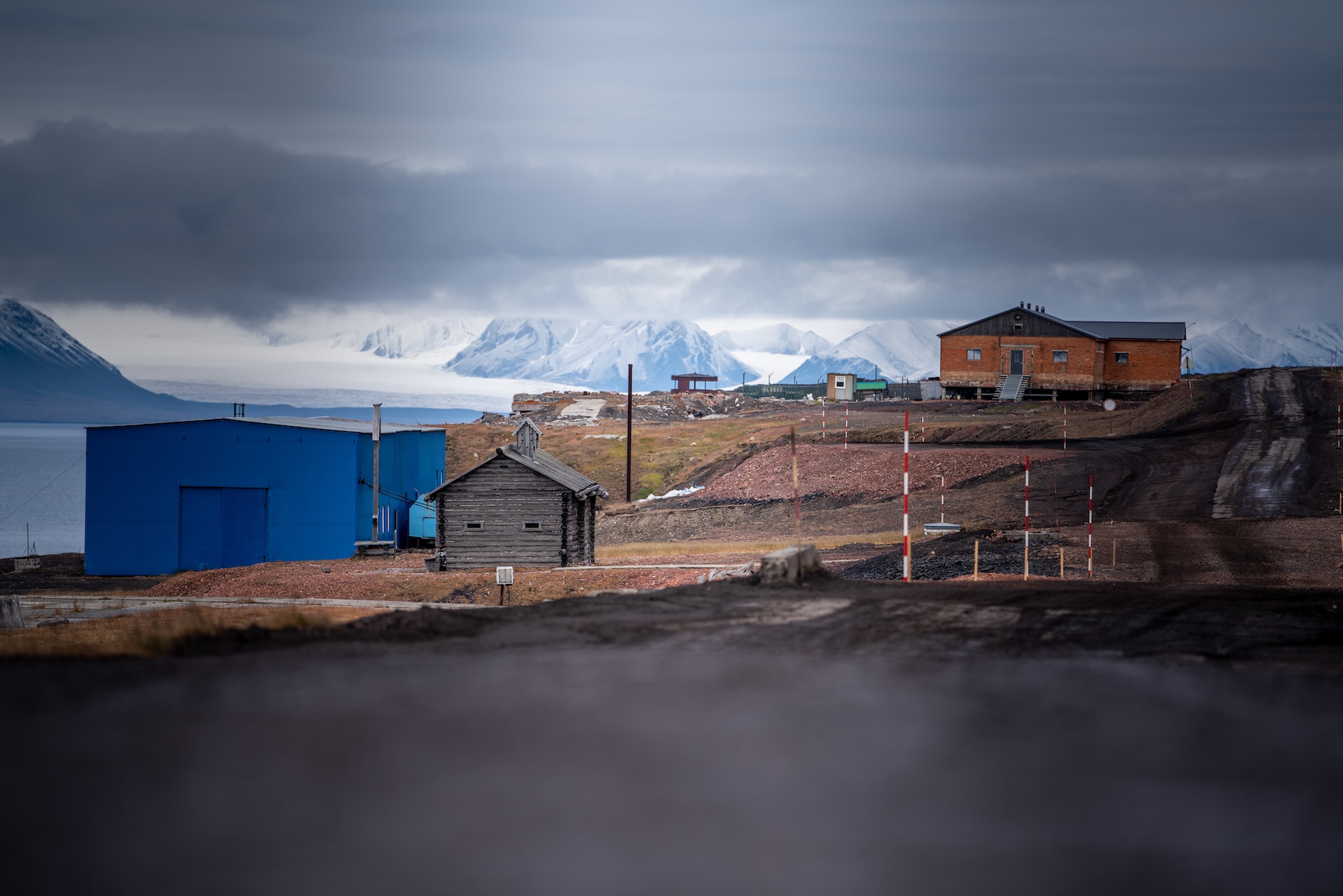
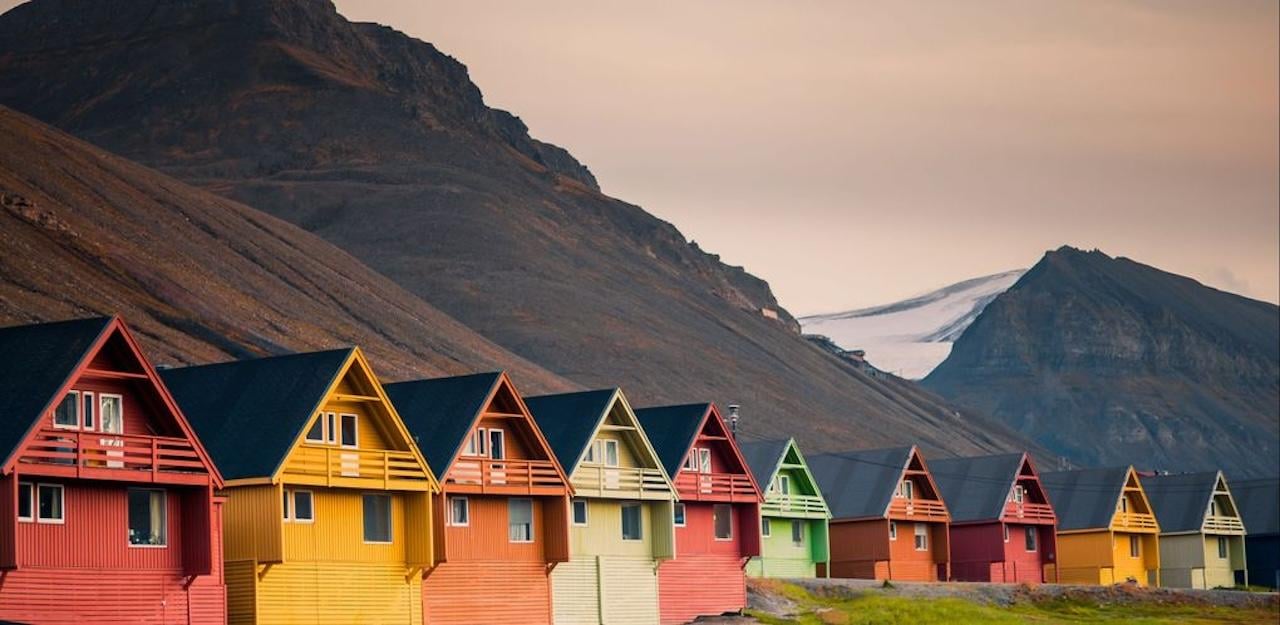
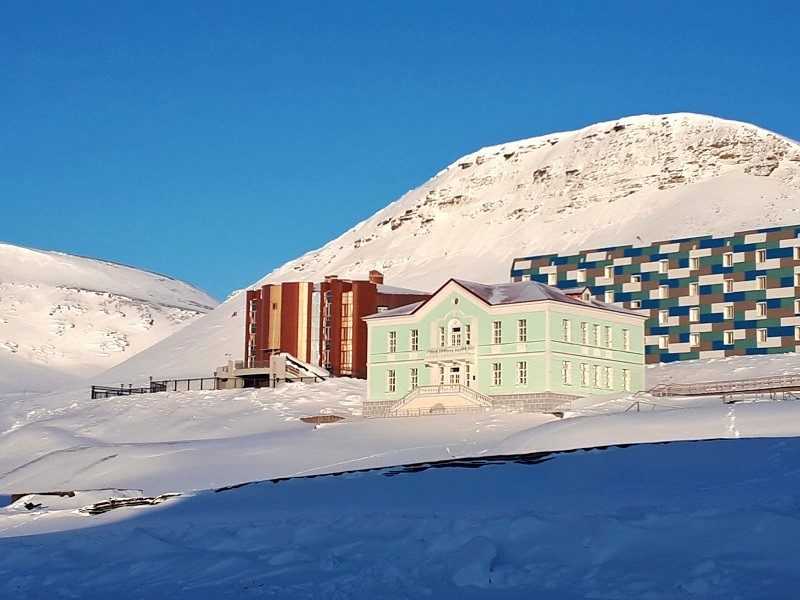
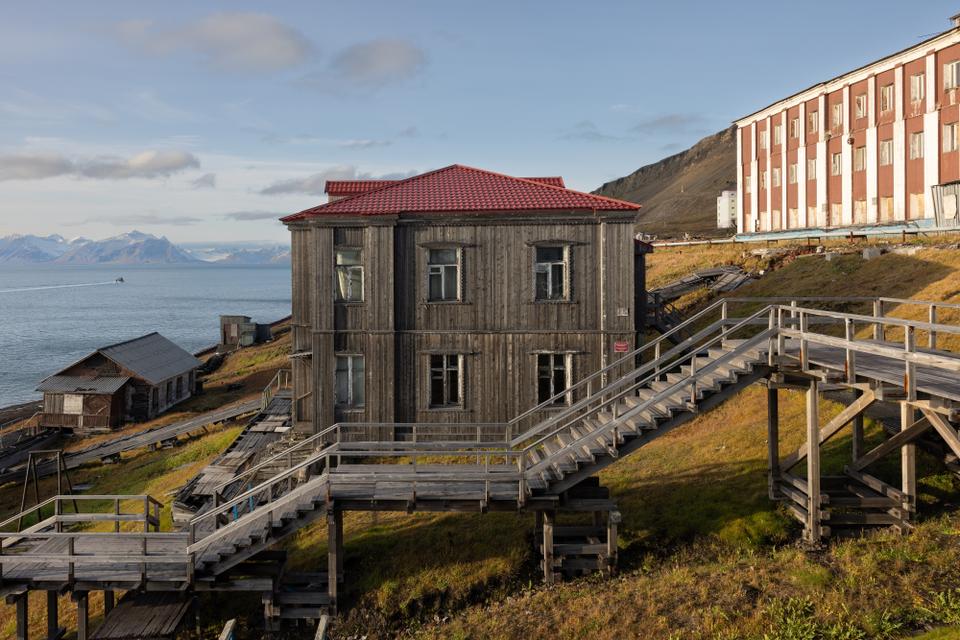
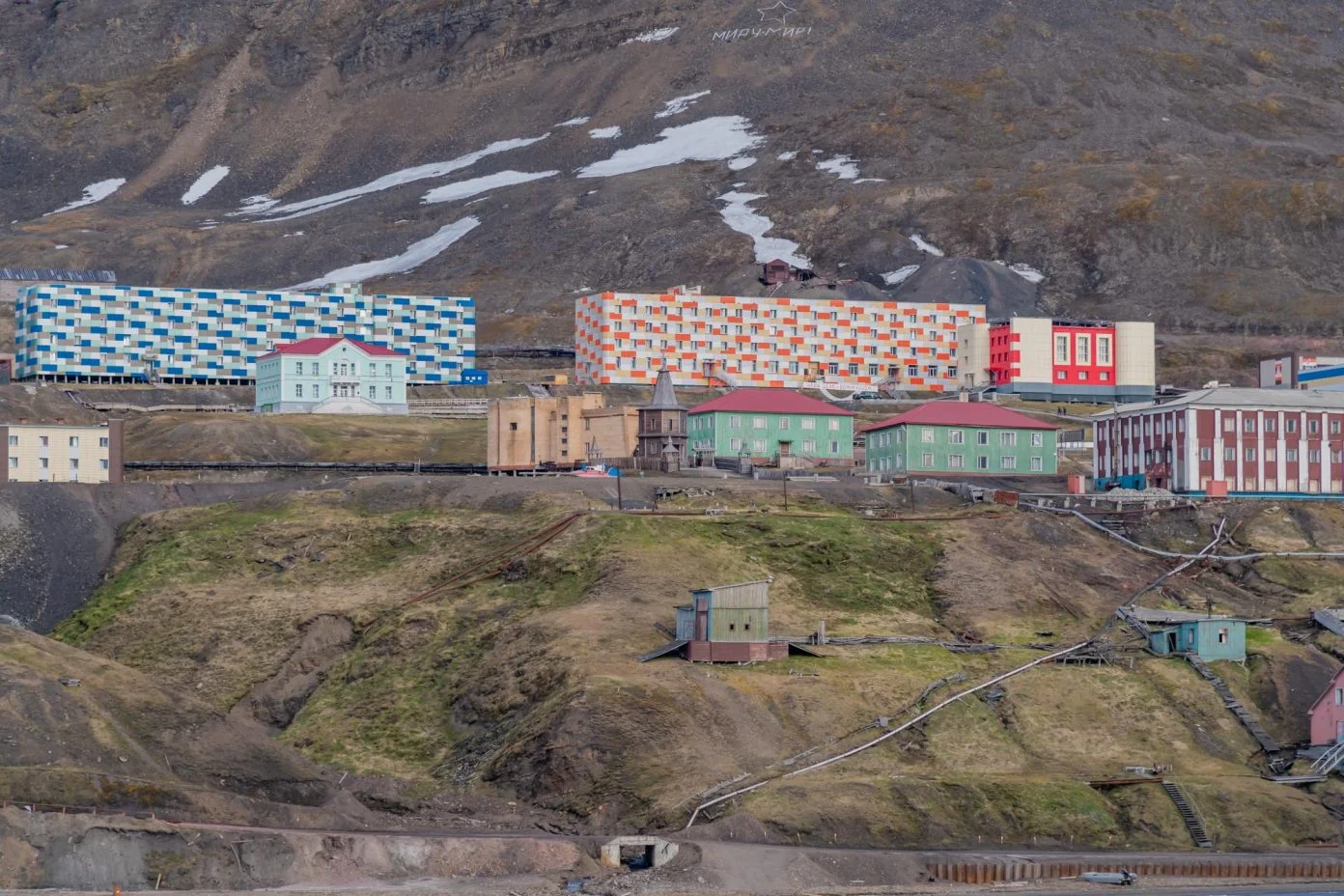
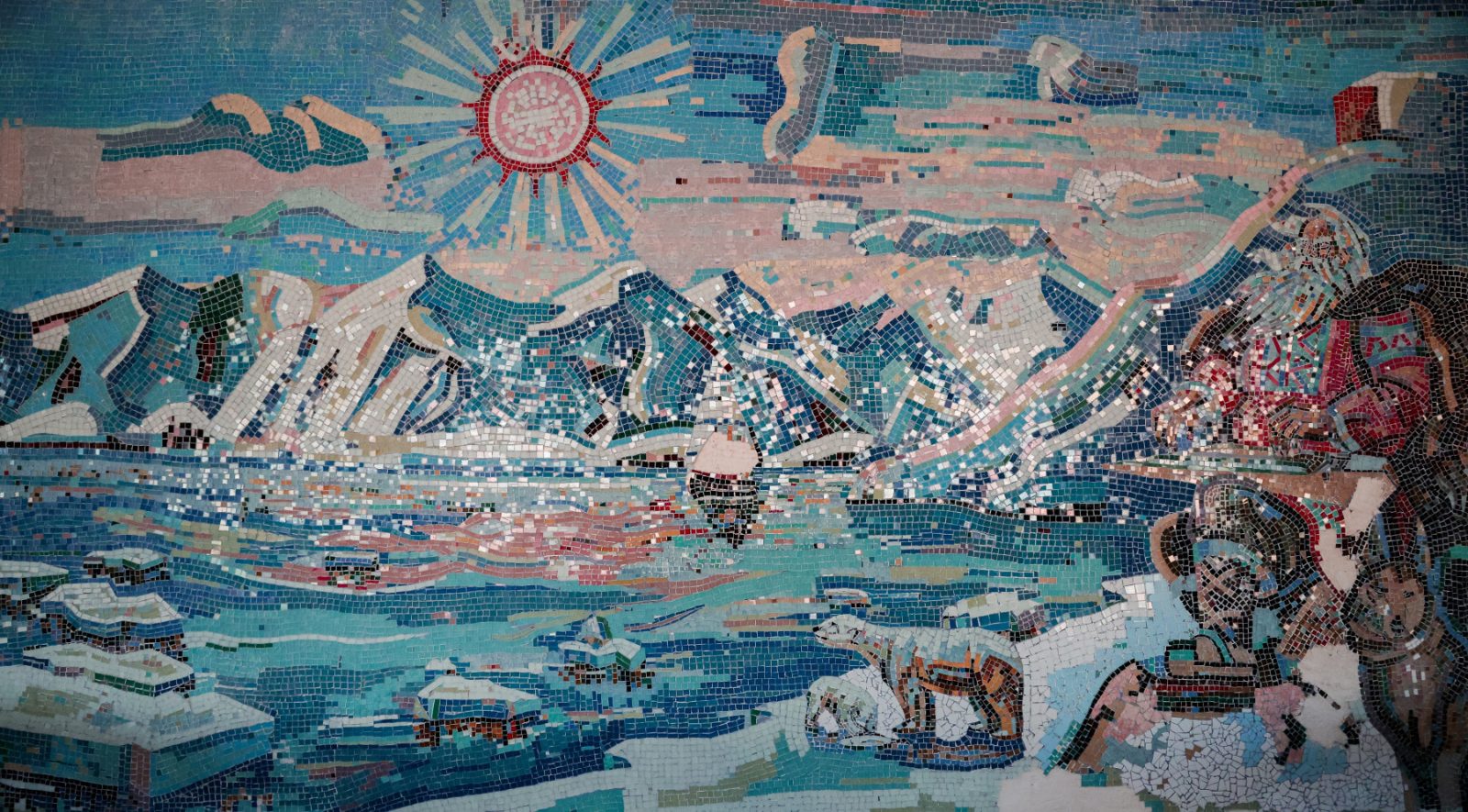
That legal arrangement shapes almost everything a visitor sees. Apartment blocks rest on pilings driven into permafrost, painted ochre, blue and dull red against grey scree. A mosaic on the Kulturhuset carries the slogan 'Our Goal — Communism' in Cyrillic letters two metres tall. Grey block housing gives way at the square's edge to a helicopter pad and a row of storage sheds. The Pomor Museum holds drill cores, hand-forged lamps and sealskin gear, tracing the Pomor trappers who worked this coast centuries before the pit head existed. A wooden Orthodox chapel raised in 1997 commemorates the 141 people killed when an airliner bound for Longyearbyen struck Operafjellet. Barentsburg tour tours usually string these together with the brewery, the greenhouse and the northernmost consulate on earth.
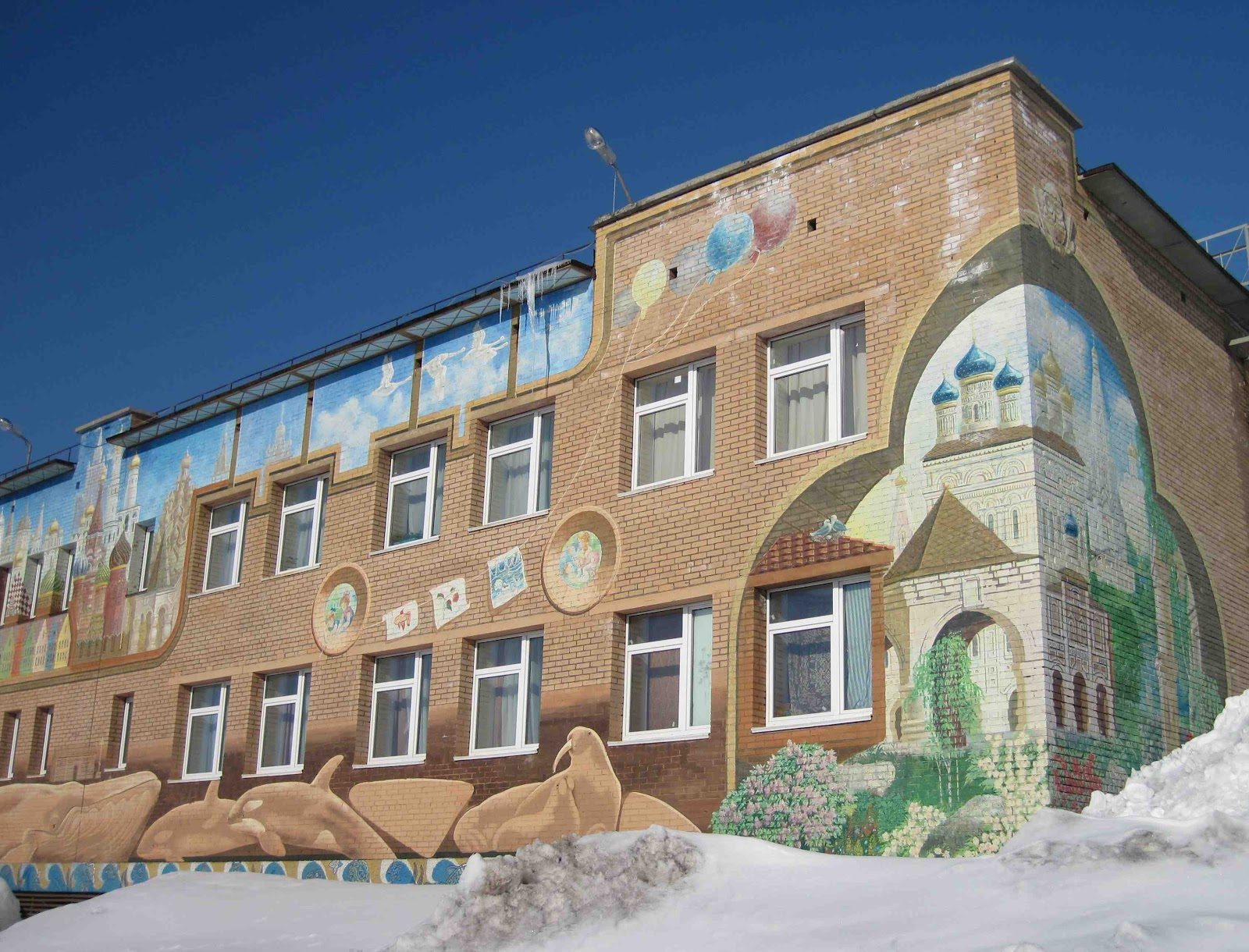
Water still does most of the work here. A Barentsburg boat tour crosses Isfjorden past the bird cliffs of Alkhornet and the collapsed pilings of Grumant, and several operators pair the crossing with a landing at Pyramiden. Steam from the power plant marks the settlement from far down the fjord. Fewer than 400 people live here year-round, on rotating contracts, with a school, a sports hall and a heated pool inside a few hundred metres of the mine gate. Among Spitsbergen landmarks it is the least polished and the most inhabited. Barentsburg tour tour operators tend to frame the visit around that contrast: heavy industry and ice, still running at the edge of the map.
Apartment blocks rest on pilings driven into permafrost, painted ochre, blue and dull red against grey scree.
Wear windproof and waterproof layers, as Arctic weather conditions change rapidly. Sturdy hiking boots are essential for navigating the 220 steps and uneven terrain of the settlement.
Keep all personal belongings in a single backpack. Be prepared for security checks at the settlement entrance or when boarding your transport.
Respect the privacy of local residents and avoid photographing people without permission. You are welcome to capture the industrial architecture of the barentsburg tour site.
The settlement is welcoming to families, though the terrain is rugged. Bring appropriate cold-weather gear for children joining your barentsburg tour.
Access to the settlement involves climbing 220 steps from the docks, which can be challenging for those with limited mobility. Ensure your barentsburg tour operator is aware of any accessibility needs.
Local dining services are available, but guests on a barentsburg tour should carry emergency snacks. Tap water is safe, but bringing a reusable bottle is recommended.
Opening Hours
00:00–23:59
Address
Barentsburg, 9178 Spitsbergen, Norway
Access
220 steps
Best arrival window
09:00–17:00
Storage
Not available at port; store in Longyearbyen
Official site
https://arctic-travel.ru
Full refunds are typically available for any barentsburg tour cancellations made within the operator's specified window. Note that individual activity bookings may have separate terms regarding the entrance fee.
Recommended time
4-6 hours
A comprehensive barentsburg tour typically requires a half-day to explore the Soviet-era architecture and local coal mining heritage. Visitors arriving by ferry often find that staying for five hours provides sufficient time to navigate the 220 steps up from the harbor and visit the museum. While barentsburg tour tours are frequent, crowd levels fluctuate based on boat arrivals, so checking barentsburg tour tickets and arrival schedules in advance helps manage your pace.
Crowd levels through the day
Willem Barentsz sighted Spitsbergen in 1596, and the settlement known in Russian as Баренцбург carries his name. Coal was staked at Grønfjorden long before sovereignty was settled. The Svalbard Treaty of 9 February 1920 gave Norway title while preserving equal commercial access for signatories. That same year the Nederlandsche Spitsbergen Compagnie acquired the Green Harbour fields and named the site Barentsburg. Dutch capital proved thinner than the seam, and by 1926 the company's operations had lapsed. A barentsburg tour begins with that failure. The Soviet trust Arktikugol was founded in 1931 to consolidate northern coal. In 1932 it bought Barentsburg outright from the Dutch, acquiring mines, wharf and housing in a single transaction. Construction followed at speed: barracks, a power station, a cableway running from the adit down to the quay. Cargoes moved south toward Murmansk through the 1930s. Those taking barentsburg tour tours still walk streets laid out to that industrial logic, the mine mouth above and the fjord below. War interrupted the plan. In September 1941 Operation Gauntlet evacuated the Soviet workforce, and the withdrawing Allies burned the coal stocks and installations. On 8 September 1943 the German warships Tirpitz and Scharnhorst shelled the fjord, reducing the town to ruin. Reconstruction began in 1946 and continued for two decades. The Pomor Museum and the civic architecture behind it belong to that rebuilding, and barentsburg tour tickets today lead past those facades rather than any prewar remnant. Population peaked in the 1980s, when more than a thousand residents lived above the Arctic Circle here. Then came the losses. On 29 August 1996 Vnukovo Airlines Flight 2801 struck Operafjellet, killing 141, most of them bound for the settlement. A mine fire on 18 September 1997 killed twenty-three men. Extraction halted after a further fire in 2006 and resumed only in 2010. Arcticugol retains the concession, yet since 2014 its Grumant subsidiary has redirected the local economy, so that a barentsburg tour tour and the wider draw of Svalbard landmarks now weigh against tonnage in the ledger.
Willem Barentsz sights Spitsbergen, and the coast is later named for him.
The Svalbard Treaty is signed on 9 February, and the Nederlandsche Spitsbergen Compagnie names its Green Harbour holding Barentsburg.
The Soviet trust Arktikugol purchases the mine and settlement outright from the Dutch company.
Operation Gauntlet evacuates the workforce in September 1941, and German warships shell the town on 8 September 1943.
Reconstruction rebuilds the settlement, its power station and its cableway to the quay.
Flight 2801 crashes on Operafjellet killing 141, and a mine fire on 18 September 1997 kills twenty-three miners.
Coal extraction resumes after the shutdown caused by the 2006 mine fire.
Arcticugol establishes its Grumant subsidiary to develop visitor activity alongside mining.
Visitors on a barentsburg tour will find distinct dining options located directly within the settlement that highlight traditional Russian flavors. These establishments serve as the primary hubs for travelers seeking local sustenance after exploring the nearby Arctic landmarks.
This venue offers a selection of local craft beers and hearty dishes like borscht and pelmeni. It is a popular spot for those finishing their barentsburg tour tours to relax in a cozy, wood-paneled atmosphere.
Located in the hotel, this restaurant provides a more formal sit-down experience with panoramic views. It is ideal for groups requiring barentsburg tour tour reservations for lunch or dinner.
Serving simple and filling meals, this facility offers quick access for guests who have booked barentsburg tour tickets through official channels. It functions best for a straightforward, efficient meal during your visit.
Real experiences from real travelers
The crossing from Longyearbyen was choppy and then Grønfjorden opened up with the whole settlement stacked in colored terraces on the slope. Our guide had worked in the mine and described the job without polishing it. A barentsburg tour is worth doing for the perspective on how people actually live this far north.
Wind came straight down the fjord and the concrete steps up from the pier were slick even in June. Skip-the-line Barentsburg boarding at the Longyearbyen dock meant we were on the water within minutes of arriving. Photos of the mosaic wall and the wooden Pomor Museum came out well in the flat Arctic light.
We joined a Barentsburg town tour that walked from the harbour past the school and the sports hall. Coal dust still darkens the road toward the mine gallery, which I had not expected. The barentsburg tour tour finished at the brewery with a tasting of the dark beer they make from glacier meltwater.
Standing under the bust with the snowfield behind it is a strange feeling and nobody in our group spoke for a moment. Guides from the Arktikugol side answered questions about the coal operation openly rather than deflecting. Svalbard landmarks rarely feel this lived-in.
Sea ice was gone by mid-April but growlers still drifted past the hull on the way across. Our barentsburg tour tickets covered the crossing plus the guided walk, so there was nothing else to arrange from Longyearbyen. Look for the Russian and Ukrainian signage side by side near the culture house.
We came overland across Grøndalen with the sun sitting just below the ridge and the sky an odd violet. The Barentsburg-tur felt closer to an expedition than to sightseeing. The settlement appeared as a smear of yellow and blue against grey rock.
Only a few hundred residents remain and half the buildings on the upper terrace stand dark and empty. The barentsburg tour included the Pomor Museum, where the trapping and whaling cases are small but carefully labelled. Cameras struggle with the low contrast on an overcast day.
The hydroponic greenhouse with cucumbers under grow lamps is the detail I keep describing to people back home. Guided barentsburg tour tours leave from the harbour and our group stayed small enough to hear everything. Midnight sun made late afternoon feel like the middle of the day.
Children were playing football on the astroturf pitch while a loader worked the coal yard below them. Our guide pointed out the ruins of Grumant across the water as we came in. An excursion to Barentsburg is not polished tourism and that is exactly the appeal.
Fog closed in over Grønfjorden and the return leg was rearranged, so we saw less of the upper town than planned. What we did reach — the mosaic, the bust, the harbour cranes — still justified the crossing. Staff handled the change calmly and kept everyone informed.
Everything you need to know for your journey
Entry to the Barentsburg settlement is 0 NOK, though individual tours or museums may charge fees.
The settlement is accessible 24/7, but most visitor services function during daylight hours.
You must navigate 220 steps to reach the main level from the harbor.
Most visitors book an organized barentsburg tour due to complex travel logistics.
The recommended arrival is between 09:00–17:00 for the best service availability.
Yes, guided experiences are available through local operators for your barentsburg tour.
You may bring snacks, but local cafes in Barentsburg are available.
The settlement is open daily, with operating hours of 00:00–23:59.
Dress in thermal layers and waterproof outer gear for your barentsburg tour.
Yes, you can explore the Lenin Monument and the Barentsburg Brewery during your visit.
Join thousands of happy travelers who have discovered this incredible experience
Book Your Experience Now